Please note that the Philippe de Woot Award will be discontinued starting in 2026. We thank all past participants and partners for their dedication!
©Jacky Delorme
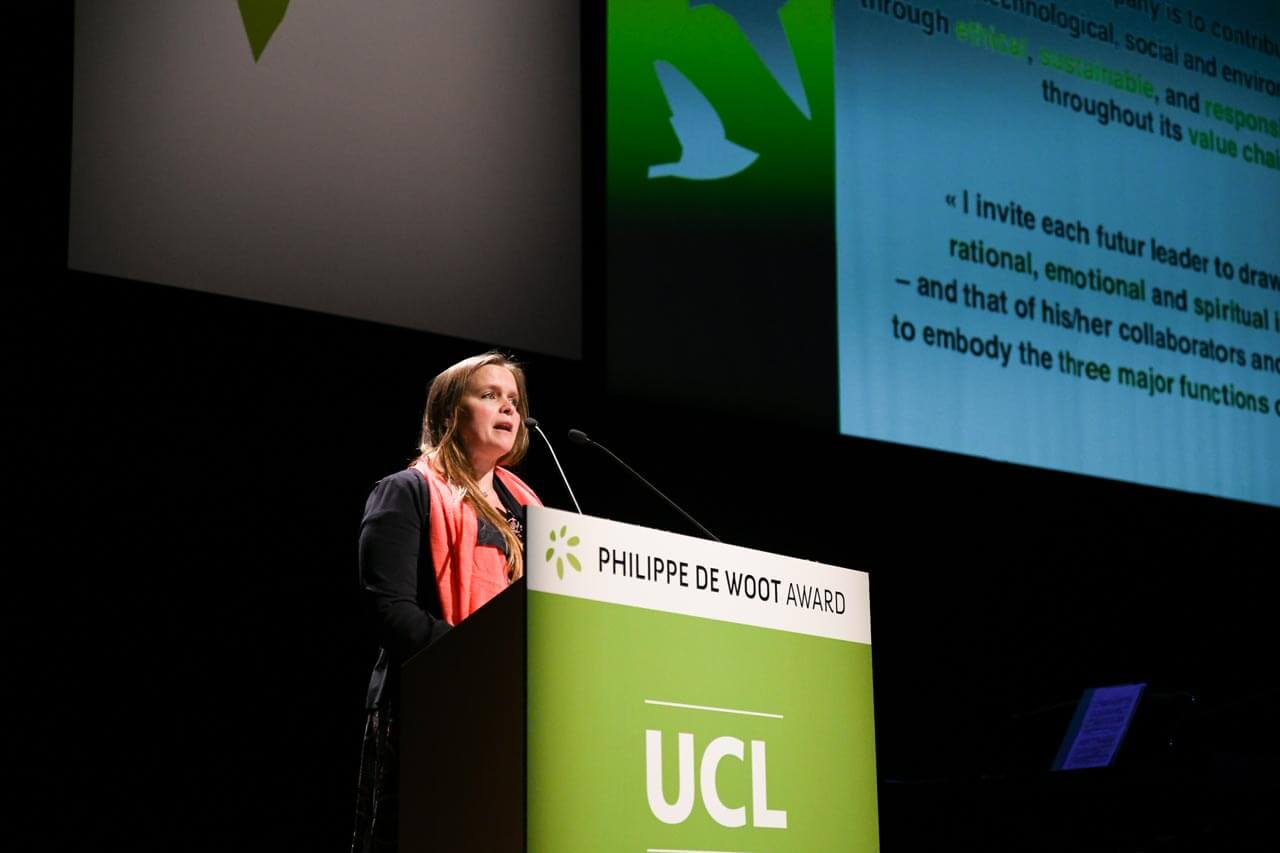
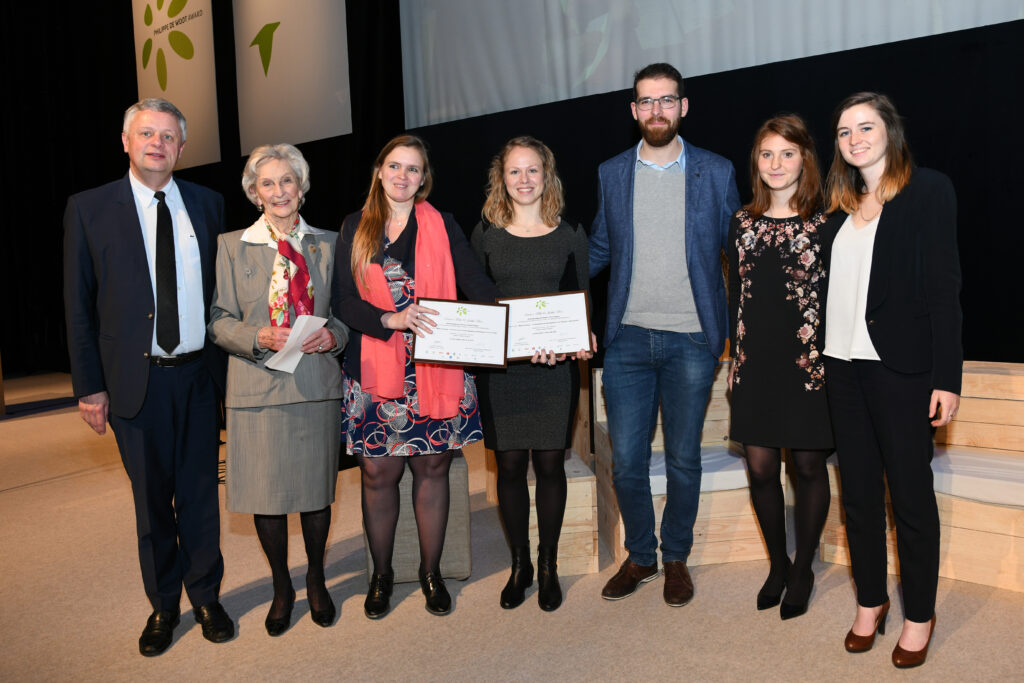
The fifth ceremony of the International Philippe de Woot Award took place on March, 28 2018 at UCLouvain in Louvain-La- Neuve.
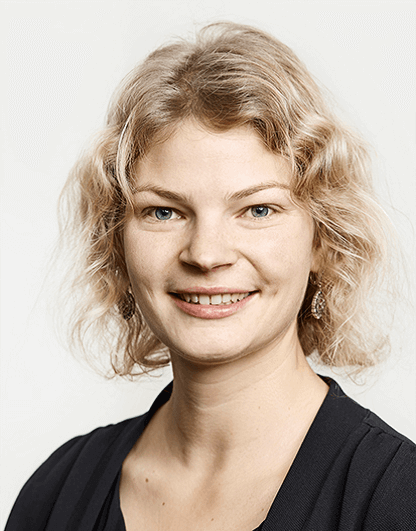
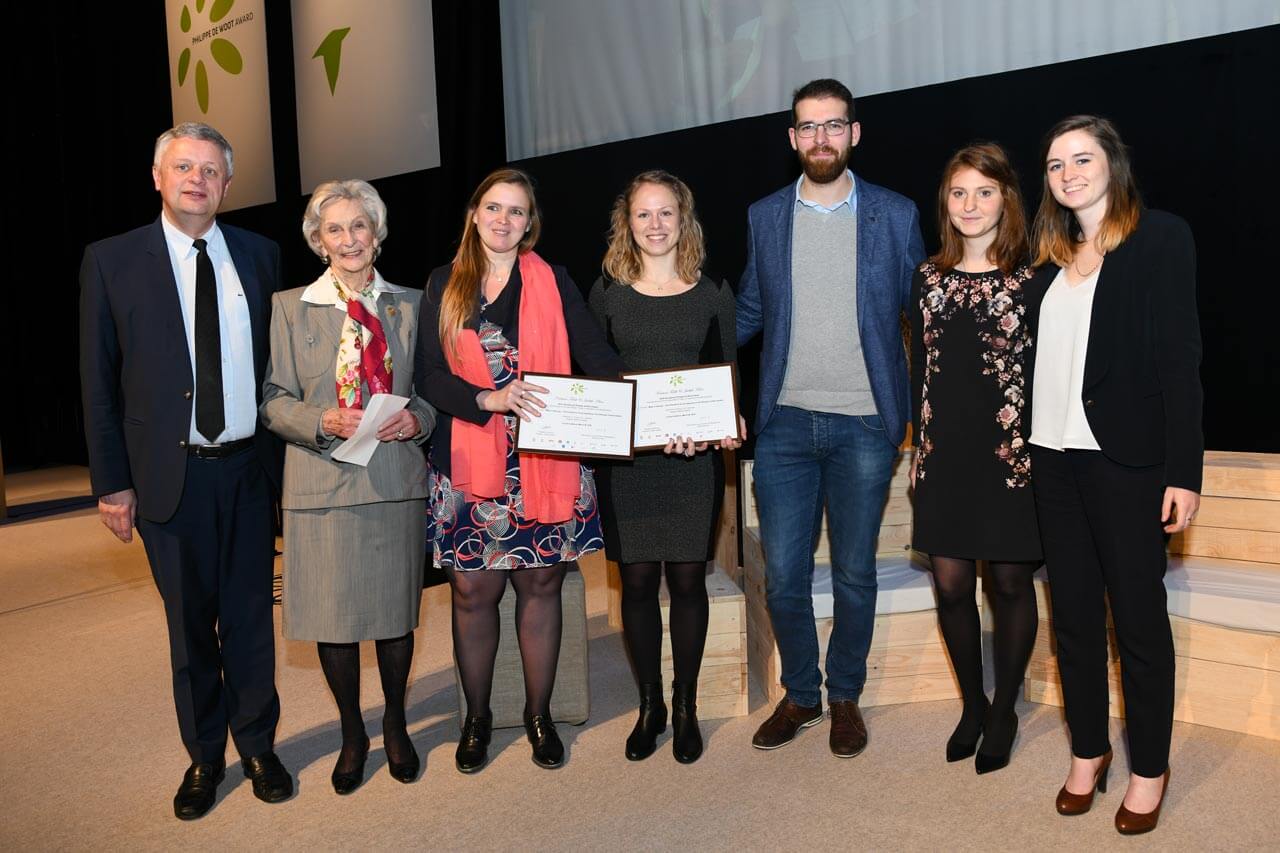
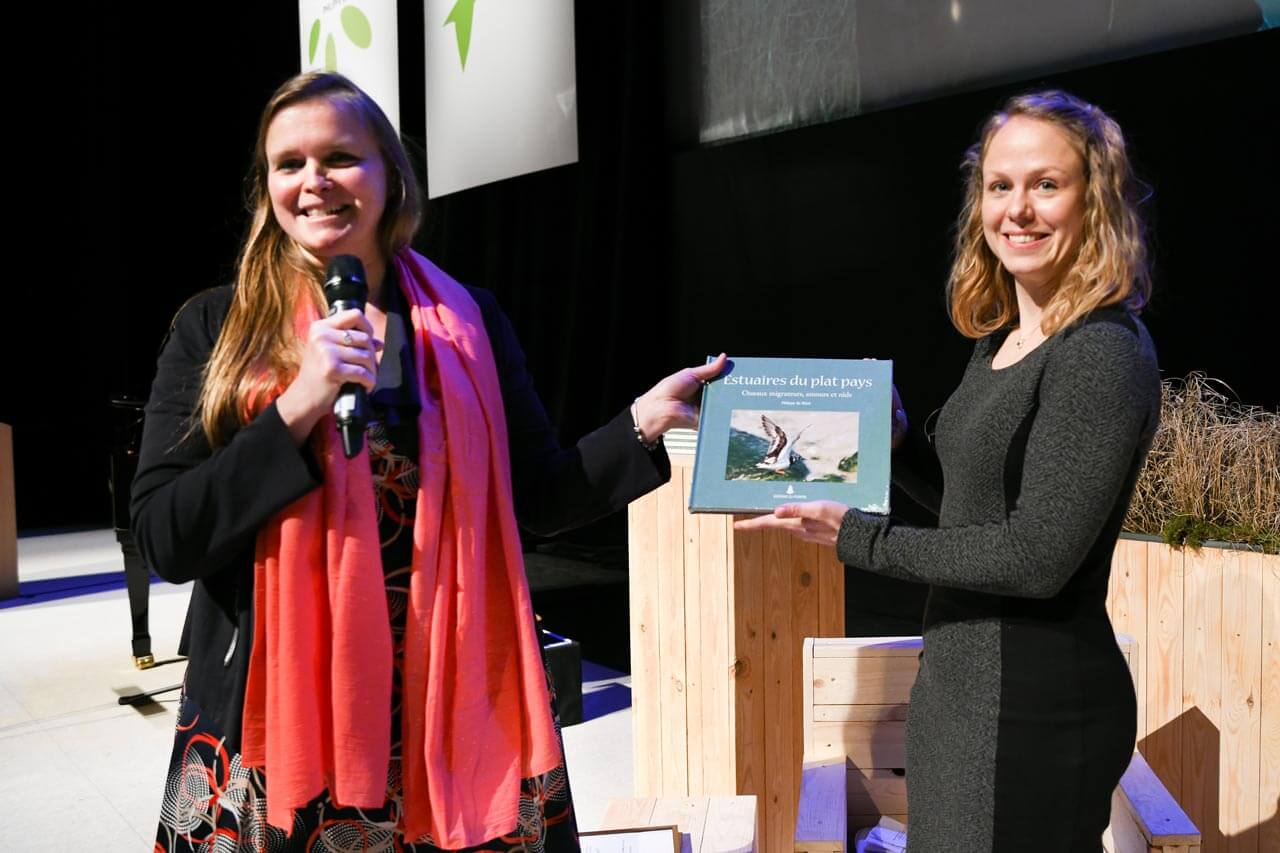
During this ceremony, Kristina Feldt and Judith Klein, both graduated from the Copenhagen Business School, won the award – which rewards a thesis from a university or business school worldwide that constitutes an original contribution to understanding and thinking about Corporate Social Responsibility or sustainable development. They analyzed the potential for improvement of the social conditions in the Ethiopian textile industry. Kristina and Judith received a prize of 3000€ of which half goes to an environmental or a social project. They chose to contribute to the Ethiopian NGO WISE, Organization for Women in Self Employment.


Applications have been examined in two steps:
Among the 46 submitted master’s thesis, the academic jury selected the six following dissertations:
Master’s thesis by : Ida HJORTH BOGESTRAND and Josephine MARK JACOBSEN (Copenhagen Business School, Denmark)
This paper takes its point of departure in an increasingly important type of sustainability governance, namely private commodity standards. Using the case of the Roundtable on Sustainable Palm Oil (RSPO), it studies the internal dynamics that underpin the political legitimacy of standards. Specifically, we rely on Lawrence and Suddaby’s (2006) taxonomy of institutional work to uncover how types of institutional work are used to gain and maintain political legitimacy in RSPO. By emphasizing how institutional work is associated with the political legitimacy of a standard, our thesis combines largely separate theoretical perspectives to explain the mechanisms that give rise to the regulatory capacity of private commodity standards. To illustrate this process, we derive a theoretical framework for standardisation, whereby the rule of private commodity standards becomes accepted as appropriate and justified. Drawing on longitudinal archival data supported by interviews with seven members of RSPO, we find that ten different types of institutional work are employed to gain and maintain political legitimacy. Based on this finding, we argue that institutional work is more appropriately approached as a thriving ecosystem of different types of work than as a taxonomy. Adding to the scholarly literature, we present two new theoretical concepts, namely ‘institutional multitasking’ and ‘dynamic balance of compromises’, which reflect the complex dynamics and ever-evolving nature of standardisation.
Master’s thesis by : Jeanne CASSIERS and Audrey HERBEUVAL (Louvain School of Management, UCL, Belgium)
When we started this process, we looked at the society around us and saw a compelling paradox: most consumers while appearing scandalized at CSI, keep on buying the products of the firms responsible for such behaviour. Therefore, we engaged on this journey to understand why consumers, and us first as such, bought products from brands they do not find ethical. Our problem statement then came naturally. We wanted to understand if the perceived irresponsibility of a brand lead to ambivalent feelings and if those feelings influenced the decision process. We also looked at the personal sense of responsibility of customers. In fact, we think it is in part our responsibility to choose who we give money to and wanted to grasp if that notion had an influence or not. By conducting a quantitative survey on Belgian consumers, we got very compelling results. Namely that CSI has a connection with consumer ambivalence, purchase and buying intention. We also found out that the personal sense of responsibility does impact the buying process but is not present enough. Further research on this last subject could be done to find out why it is not more prominent and how to enhance it. We believe that now more than ever, the consumer has a role to play in the pursuit of CSR.
Master’s thesis by : Kristina FELDT and Judith KLEIN (Copenhagen Business School, Denmark)
The Ethiopian government vigorously promotes the textile sector, hoping to spur industrialization and social development. This thesis explores how different actors influence social upgrading in the rapidly growing Ethiopian textile industry. To shed light on this uncharted industry, the thesis combines social upgrading theory, global value chain theory, and governance concepts.
To the benefit of social upgrading, the findings suggest that “Measurable Standards” are successfully being improved for Ethiopian textile workers. To the detriment of social upgrading, the findings suggest that “Enabling Rights” of workers are not sufficiently promoted nor effectively enforced.
The thesis concludes that the potential for social upgrading in the Ethiopian textile industry depends on the ability of all industry actors to collectively take responsibility of promoting workers’ Enabling Rights.
Master’s thesis by: Jeanne ROCHE (Louvain School of Management, UCL, Belgium)
In a time of global economic, political and environmental uncertainty, where markets and governments show signs of weaknesses regarding their promises of prosperity for all, we are witnessing the rise of hybrid structures that pursue complex objectives combining social and/or environmental impact and business sustainability.
This thesis identifies tensions within social enterprises caused by the combination of various organizational forms, identities and logics that traditionally belong to the realms of business and the charity/NGO world. Such a combination entails tensions that could give place to “mission drift” or “goal displacement”, which this thesis understands as a situation where a social venture starts to give less priority to either its social or commercial goal. This thesis also analyses how certain organizational and environmental features can alleviate or increase these tensions and thus contribute to mission drift themselves. Using a qualitative approach, the conclusions of this research were drawn from interviews conducted with a diverse range of social entrepreneurs from different continents and economic contexts, most of whom have links with the Skoll Centre for Social Entrepreneurship network and the Acumen fund.
Master’s thesis by: Anthony SIMONOFSKI (UNamur and KULeuven, Belgium)
In the last few years, smart cities have attracted considerable attention because they are considered a response to the complex challenges that modern cities face. However, smart cities often do not optimally reach their objectives if the citizens, the end-users, are not involved in their design. The aim of this thesis is to provide a framework to structure and evaluate citizen participation in smart cities. By means of a literature review from different research areas, the relevant enablers of citizen participation are summarized and bundled in the proposed framework. Then, following the design science methodology, the framework is validated through the application to different smart cities and through in-depth interviews with key Belgian smart city stakeholders. The framework is then used as an evaluation tool for several Belgian smart cities allowing drawbacks and flaws in citizens’ participation to be discovered and analysed. It is also demonstrated how the framework can act as a governance tool for the ongoing smart city design of Namur (Belgium) to help define the citizen participation strategy. Finally, it is used as a comparison and creativity tool to compare several cities and design new means of participation.
Master’s thesis by: Marthe Marie TANGEN (Copenhagen Business School, Denmark)
This study investigates the effect of innovation on corporate sustainability (CS) in light of the resource-based view (RBV) of the firm. RBV contributes to the analysis of innovation and CS, because it explicitly recognizes the importance of resources and dynamic capabilities. By possessing the right resources and capabilities, such as innovation, firms might be able to successfully develop and implement CS strategies. The results show that there is no significant effect of innovation on CS for the overall sample of firms. However, extending the analysis to investigate the effect across regions, the results show that innovation positively affects CS for North America, while no effect was found for Europe or the rest of the world (RoW). The results also show that the effect of innovation on CS is not the same for the three dimensions of CS. While innovation was found to have a positive effect on the social dimension, no significant effect was found for the environmental and corporate governance dimensions. These results suggest that innovation, in general, does not play a major role in determining CS, but rather that it seems to vary across different regions. It also suggests that innovation plays a significant role in determining the social performance of CS.
Then, the jury had selected 3 nominees out of the 46 Master’s theses sent by students from 21 countries. Next to 2018’s winners Kristina and Judith, the other nominees were Antony Simonofski (UNamur and KU Leuven) for his reflexion on the citizen participation to the smart cities; and Jeanne Cassiers and Audrey Herbeuval (Louvain School of Management) who studied this question : « Why does consumers buy brands which don’t seem ethical for them ».
To get a better insight about these 3 projects, the 3 nominees have made a small video to explain and better illustrate their goals:
Jeanne CASSIERS and Audrey HERBEUVAL (Louvain School of Management, UCLouvain, Belgium)
« When we started this process, we looked at the society around us and saw a compelling paradox: most consumers while appearing scandalized at CSI, keep on buying the products of the firms responsible for such behaviour. Therefore, we engaged on this journey to understand why consumers, and us first as such, bought products from brands they do not find ethical. Our problem statement then came naturally. We wanted to understand if the perceived irresponsibility of a brand lead to ambivalent feelings and if those feelings influenced the decision process. We also looked at the personal sense of responsibility of customers. In fact, we think it is in part our responsibility to choose who we give money to and wanted to grasp if that notion had an influence or not. By conducting a quantitative survey on Belgian consumers, we got very compelling results. Namely that CSI has a connection with consumer ambivalence, purchase and buying intention. We also found out that the personal sense of responsibility does impact the buying process but is not present enough. Further research on this last subject could be done to find out why it is not more prominent and how to enhance it. We believe that now more than ever, the consumer has a role to play in the pursuit of CSR. »
Kristina FELDT and Judith KLEIN (Copenhagen Business School, Denmark)
« The Ethiopian government vigorously promotes the textile sector, hoping to spur industrialization and social development. This thesis explores how different actors influence social upgrading in the rapidly growing Ethiopian textile industry. To shed light on this uncharted industry, the thesis combines social upgrading theory, global value chain theory, and governance concepts.
To the benefit of social upgrading, the findings suggest that “Measurable Standards” are successfully being improved for Ethiopian textile workers. To the detriment of social upgrading, the findings suggest that “Enabling Rights” of workers are not sufficiently promoted nor effectively enforced.
The thesis concludes that the potential for social upgrading in the Ethiopian textile industry depends on the ability of all industry actors to collectively take responsibility of promoting workers’ Enabling Rights. »
Anthony SIMONOFSKI (UNamur and KULeuven, Belgium)
« In the last few years, smart cities have attracted considerable attention because they are considered a response to the complex challenges that modern cities face. However, smart cities often do not optimally reach their objectives if the citizens, the end-users, are not involved in their design. The aim of this thesis is to provide a framework to structure and evaluate citizen participation in smart cities.
By means of a literature review from different research areas, the relevant enablers of citizen participation are summarized and bundled in the proposed framework. Then, following the design science methodology, the framework is validated through the application to different smart cities and through in-depth interviews with key Belgian smart city stakeholders. The framework is then used as an evaluation tool for several Belgian smart cities allowing drawbacks and flaws in citizens’ participation to be discovered and analysed. It is also demonstrated how the framework can act as a governance tool for the ongoing smart city design of Namur (Belgium) to help define the citizen participation strategy. Finally, it is used as a comparison and creativity tool to compare several cities and design new means of participation. »
© picture by ULB
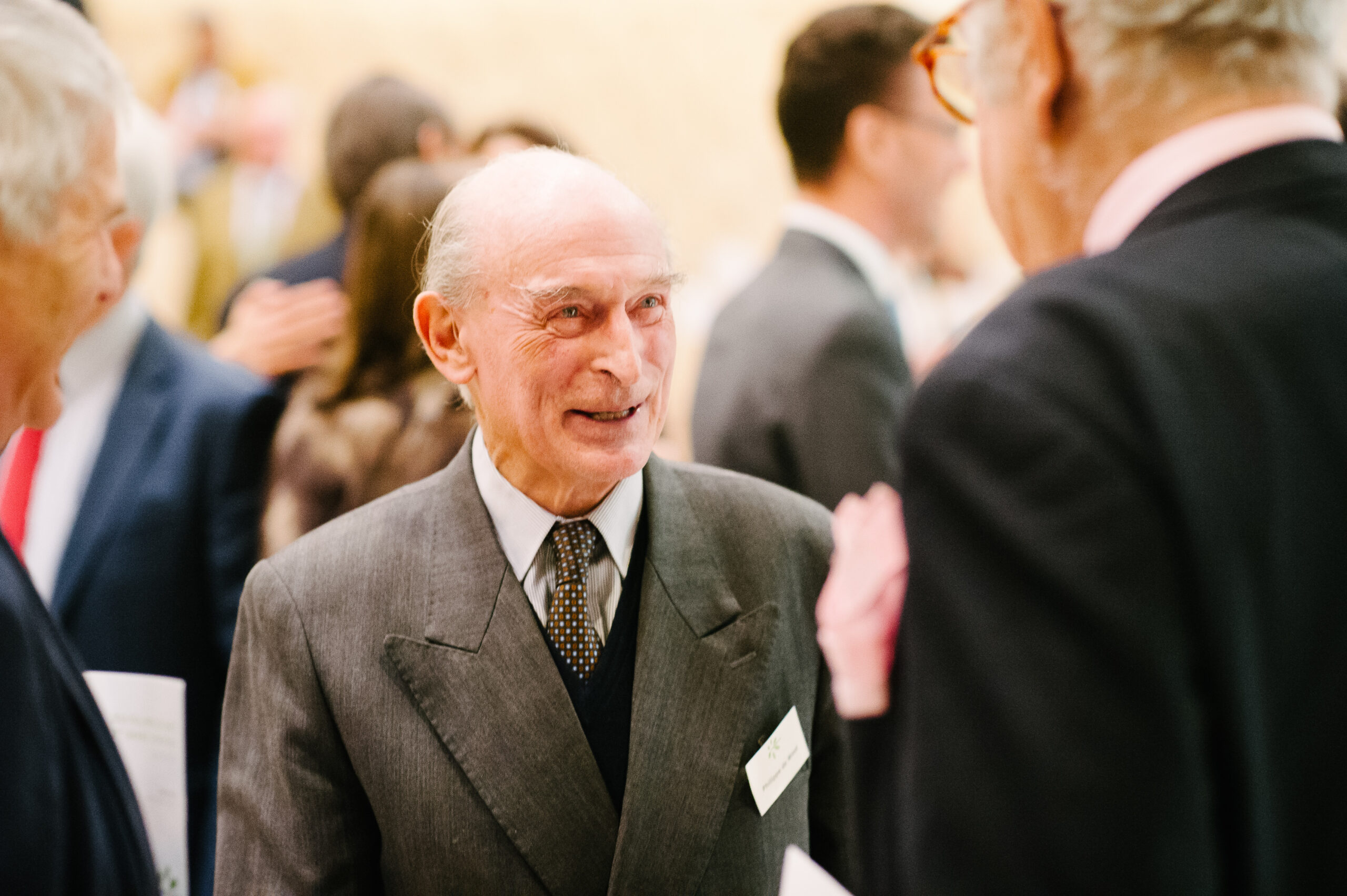
This year, the ceremony took on a very specific dimension owing to the passing away, in September 2016, of Professor Philippe de Woot, who was considered to be a « sage » in economics as much as the pioneer of Corporate Social Responsibility in Belgium.
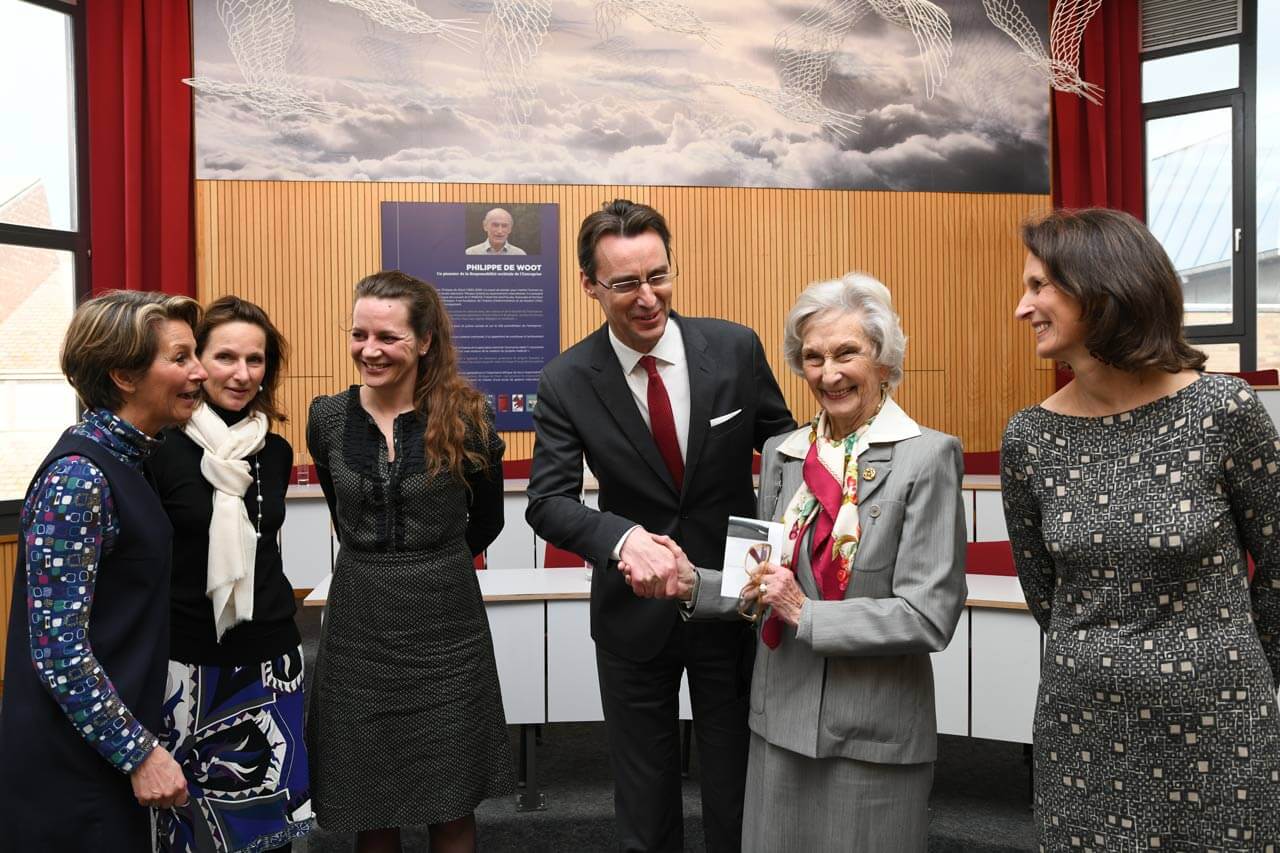
Just before the ceremony, the Louvain School of Management paid tribute to him by inaugurating the Philippe de Woot lecture hall, in the presence of his relatives, the University chancellor, Vincent Blondel, the Human Sciences sector vice-chancellor, Jacques Grégoire, and the LSM Dean, Michel de Wolf. Lecture Hall Doyen 21 has been entirely refurbished and decorated with a work of art by Chloé Coomans, « the seven valleys », which represent birds, one of Philippe de Woot’s interests.
©Jacky Delorme
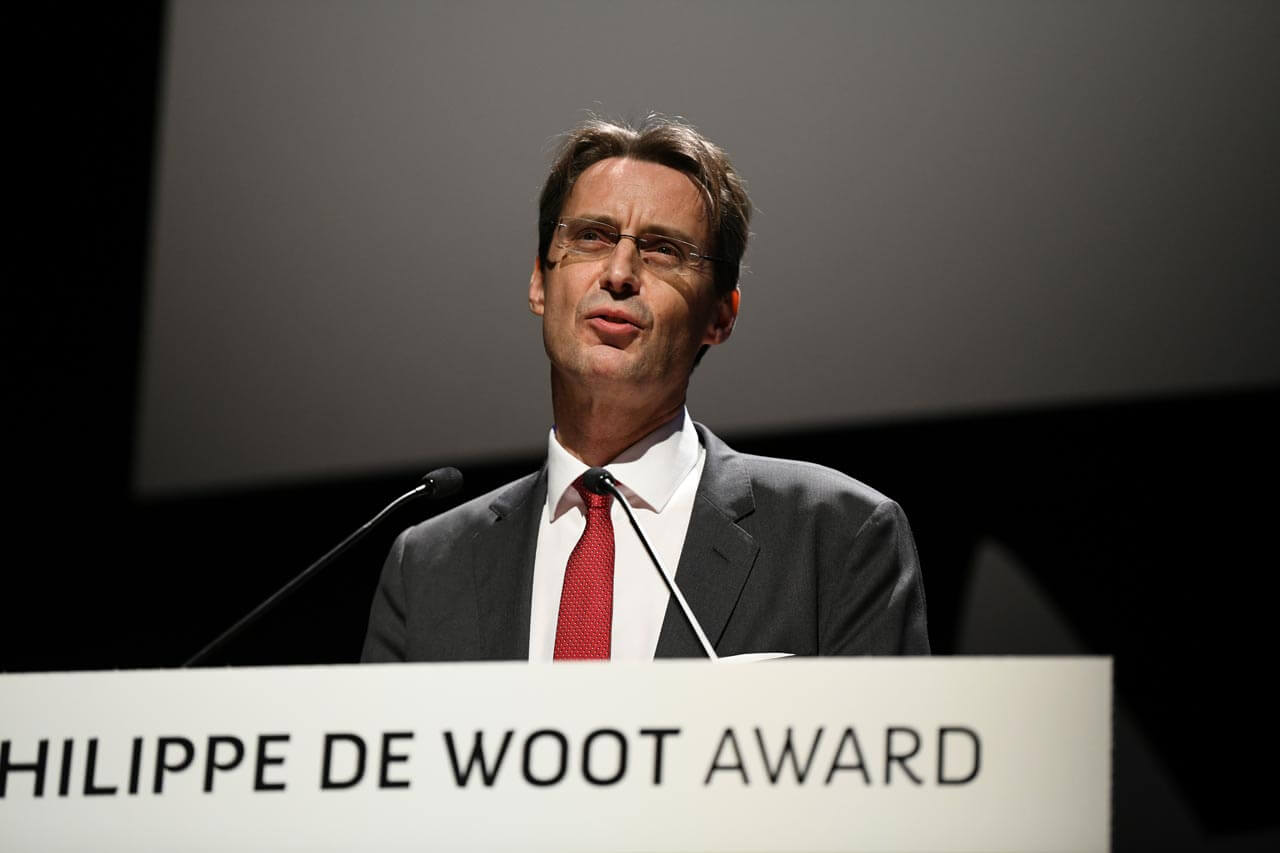
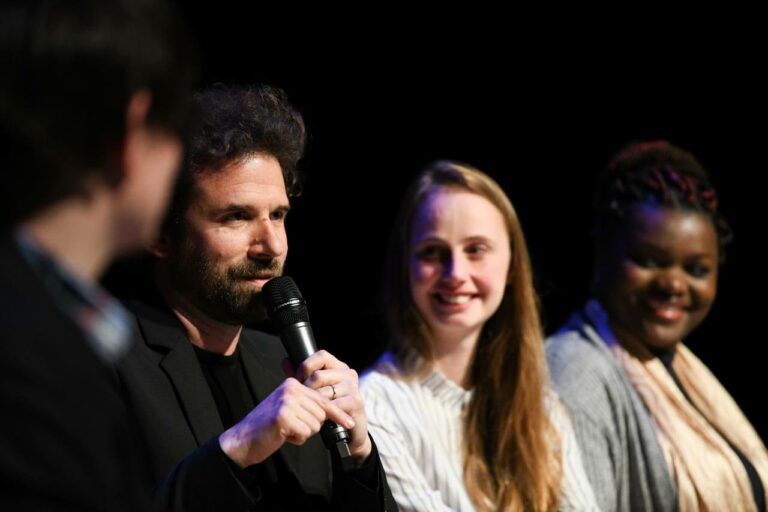
This did not prevent the ceremony from being turned towards tomorrow, with the presence of Cyril Dion in keynote speaker who had for reflection «What must we do now to change things tomorrow?». Cyril Dion is the author and co-producer of the documentary film “DeMAIN”
with Mélanie Laurent. DeMAIN won the Cesar award for Best Documentary in 2016 and has been seen by over one million people in France. It is now released in over 30 countries and cited by
many French people as the trigger for a new kind of engagement in the coming years.
Any graduate student from a university or business school with a Master’s degree whose dissertation deals with CSR or sustainable development defended during the academic years 2023-2024 & 2024-2025 can apply for this award.